
Fish is an essential part of a healthy diet, yet picking the right one at the supermarket or the market often turns into a real challenge. How do you tell a genuinely high-quality product from a subpar one? And how can you spot whether the fish is truly fresh or has been sitting around too long?
To get some solid, no-nonsense advice, we reached out to Levan Tomashvili, technologist at Okeane, who works with fish every single day.
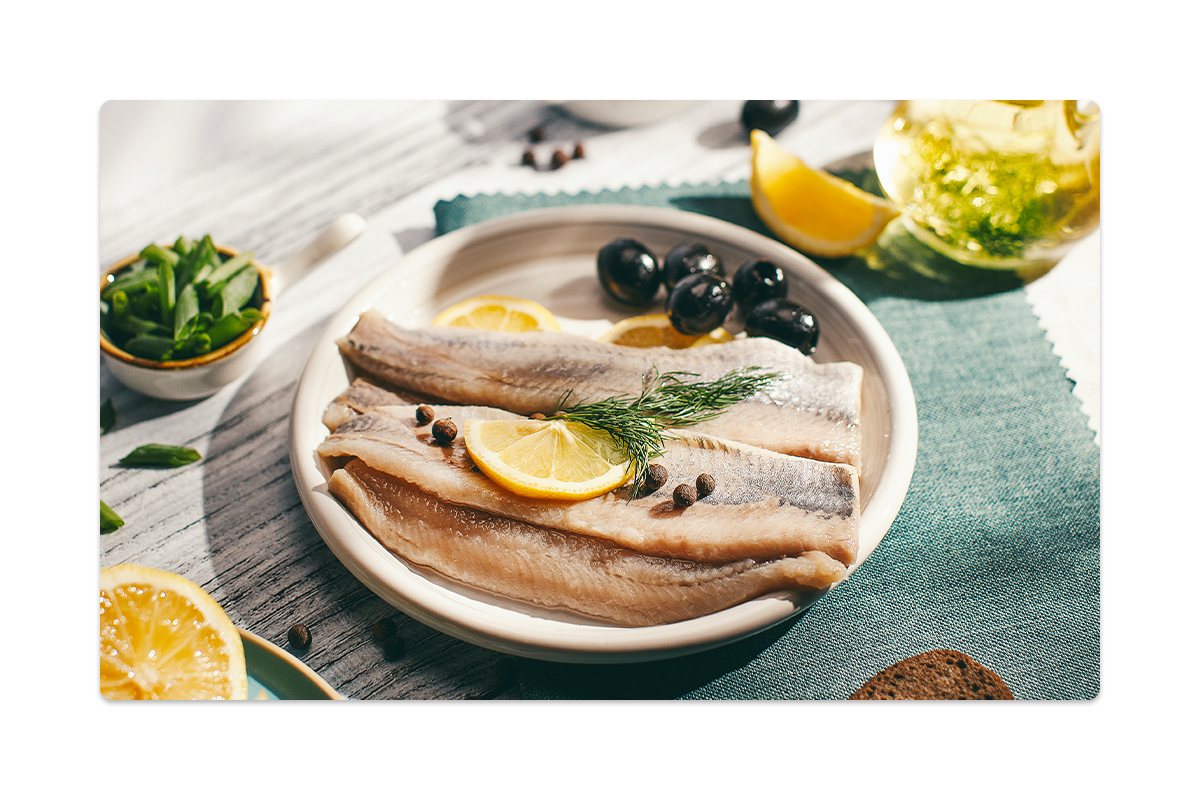
What to Look for When Buying Live Fish?
What should we look for first when buying live fish?
When buying live fish, pay close attention to a few important details to make sure it's healthy and safe to eat:
- The fish's eyes should be bright and clear. If the eyes are dark or cloudy, it could mean the fish is sick.
- The skin and fins should be smooth and shiny. Dark spots on the skin are often a sign of poor health.
How to Spot High-Quality Smoked Fish: Quality Checks and Shelf Life
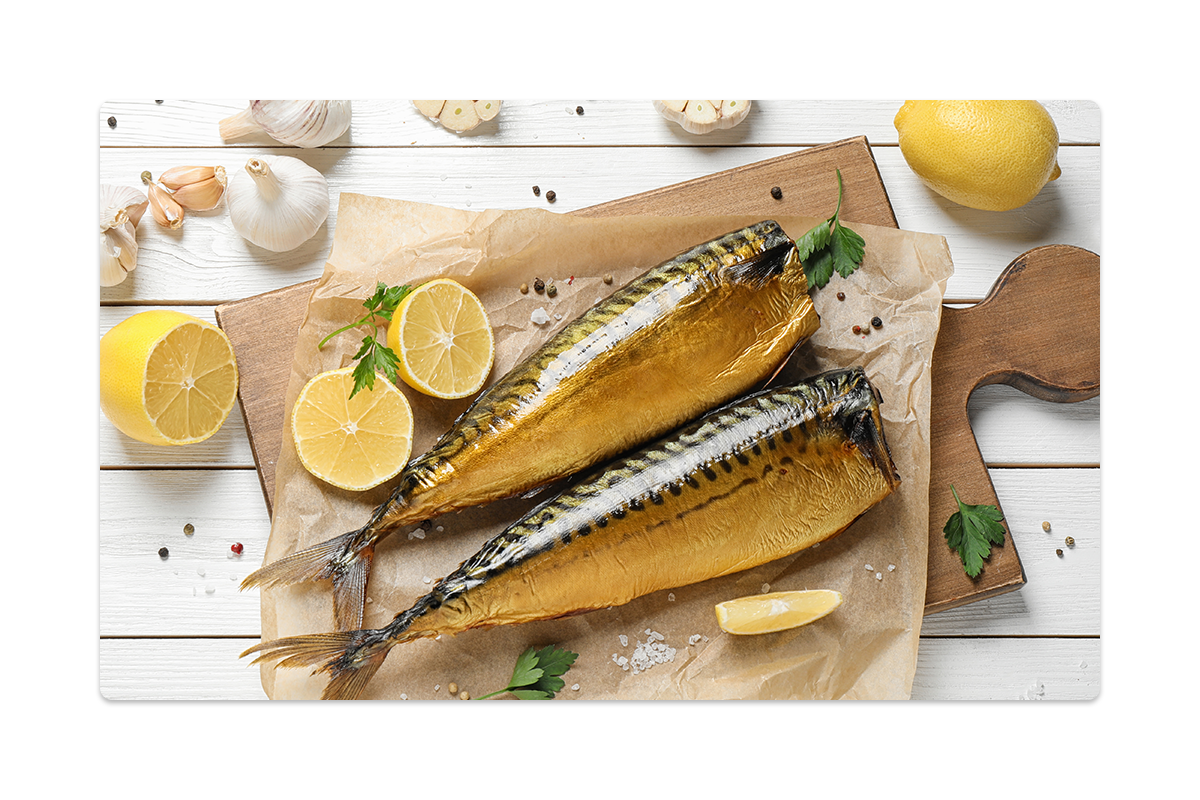
When it comes to picking out the perfect smoked fish, you really have to trust your senses.
- The very first indicator of quality is the aroma. High-quality smoked fish should have a pleasant, woody, and appetizing scent. A degraded aroma is a clear sign that the fish is potentially unsafe to eat.
- The skin should be smooth and shiny. If it’s dry or damaged, it likely indicates poor quality.
- High-quality smoked fish must have a firm texture. If there’s accumulated liquid or excessive moisture in the packaging, it points to temperature fluctuations, and you should avoid buying it.
- Proper storage ensures that the fish retains its flavor and nutritional value while minimizing the risk of infection or contamination.
- Smoked fish should be kept in the refrigerator at temperatures between 0 and +8°C. In its original vacuum packaging, it can be stored for up to 45 days.
- Once opened, transfer the fish to a glass container and seal it tightly to limit air exposure. In this case, it should be consumed within 2 days.
- Proper storage involves keeping the processed fish either frozen (at -18°C or lower) or in a cool place (0 to +8°C), provided it is correctly packaged.
What should we know about properly storing preserves
When purchasing preserves, always check the expiration date and ensure they are properly packaged. It is recommended to choose products that are hermetically sealed with no signs of damage.
A compromised package means the product may have been exposed to air or external factors, which can lead to spoilage.
Check the Producer: Ensure the preserves are from a reputable manufacturer. Look for well-known, trusted brands with a track record of high quality.
Once opened, it is best to consume the product within 72 hours. An opened product quickly loses its quality, and both its flavor and nutritional value gradually decline
Preserves must be stored in the refrigerator (0 to +8°C). If there is any product left after opening, transfer it to a hermetic plastic or glass container. This makes storage safer and prevents contact with air and bacteria.
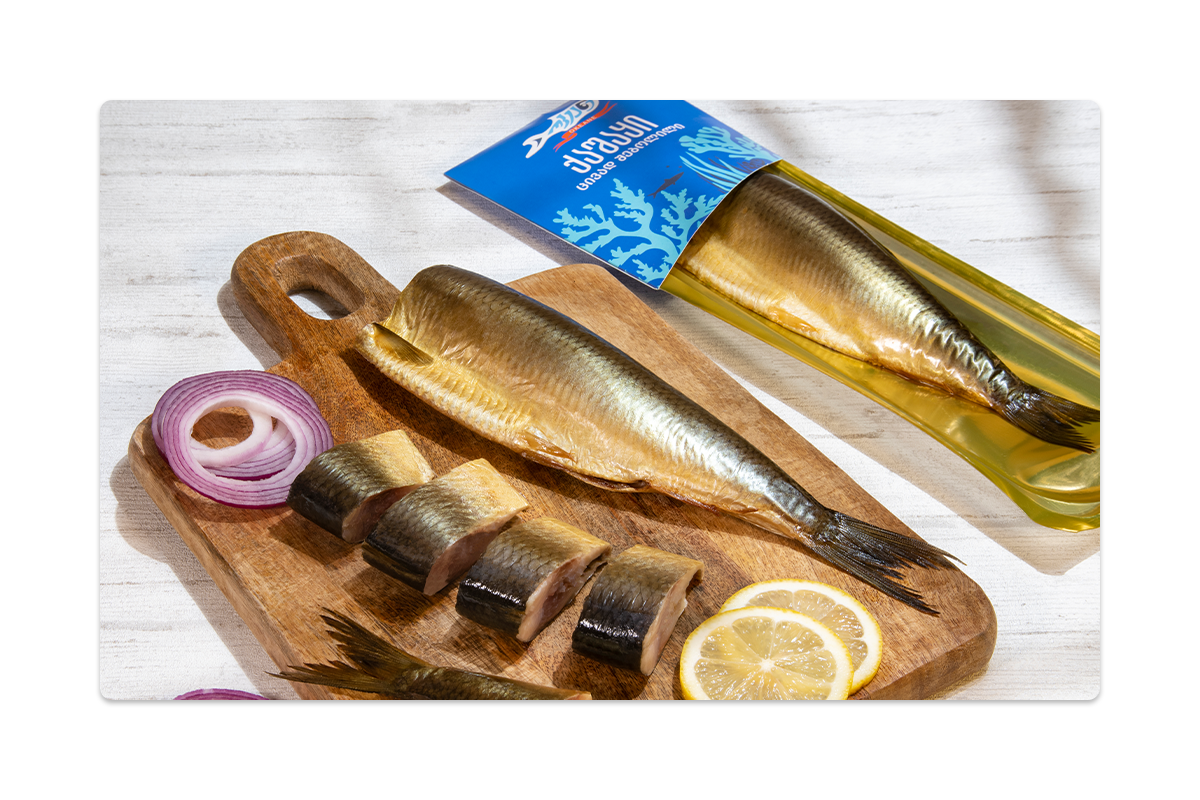
Marking marks that indicate the quality of fish
Several labeling systems indicate fish quality and production standards. These marks prove that the fish was produced according to specific rules and regulations, ensuring it is safe for consumption.
- ISO (International Organization for Standardization): ISO certification relates to quality management and standard levels. Seeing this on fish products shows they were produced in line with international standards.
- HACCP (Hazard Analysis and Critical Control Points): A HACCP certificate indicates that the fish was produced and processed under strict food safety standards.
- Specialty Labels: You may see terms like Natural, Marinated, or Organic on some packaging. These labels suggest the fish was raised or processed using specific methods designed to preserve its flavor, texture, and nutritional value.