
Cottage cheese might seem like a simple, ordinary dairy product, but in reality, it belongs to the list of superfoods that can truly transform your body. We often look for sources of energy, health, and essential vitamins in complex ways, but sometimes the answer is surprisingly simple a single spoonful of cottage cheese can make a noticeable difference.
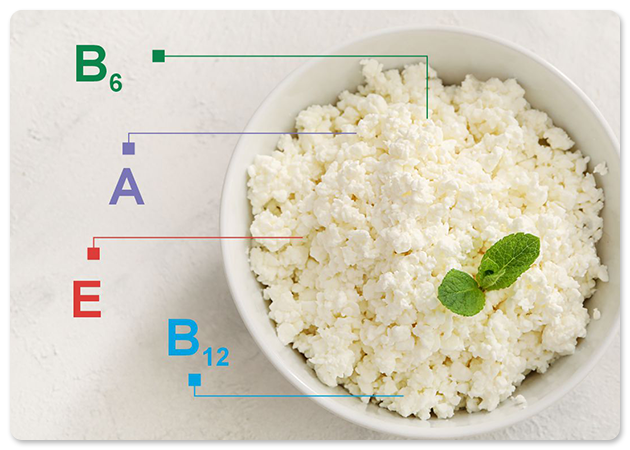
As we know cottage cheese strengthens bones, but its benefits don’t stop there. This product is packed with protein, calcium, magnesium, phosphorus, and a full complex of B vitamins. That’s why nutritionists call it a compact energy powerhouse.
Eating just 60 grams of cottage cheese daily, neither too much nor too little, can make a real difference. You’ll notice increased energy, better focus, improved skin health, and a stronger immune system - all from a single small serving.
Let’s see what actually happens in your body if you eat this simple, yet surprisingly powerful, addition to your daily diet.
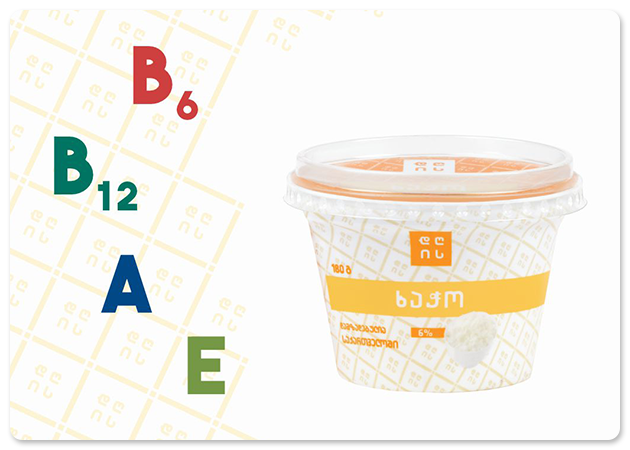
Cottage Cheese - A Rich Source of Protein
There are about 10-12 grams of protein in 60 grams of cottage cheese, making it one of the most protein-rich dairy products.
Protein is essential for building and repairing muscles, supporting healthy skin and hair, and boosting the immune system.
If you eat just this small amount of cottage cheese daily, your body slowly absorbs the protein casein, which provides a steady release of energy throughout the day.

Brain Health and Memory Support
Cottage cheese is rich in vitamin B12, which helps protect brain cells and supports memory. Eating it regularly can improve focus and reduce the feeling of chronic fatigue. It’s especially beneficial for students or anyone engaged in intellectual work, helping the brain stay sharp and active throughout the day.
Strengthening Bones and Teeth
Cottage cheese is a rich source of calcium, phosphorus, and vitamin D, all essential for strong bones. Eating 60 grams a day provides about 15-20% of your body’s daily calcium needs. It’s especially important for children, teenagers, and women during menopause, when calcium deficiency can lead to weaker bones.
Cardiovascular Health
Cottage cheese contains potassium and magnesium - minerals that help regulate heart rhythm and support healthy blood pressure. Additionally, low-fat cottage cheese can help reduce bad cholesterol and improve overall blood circulation.
Boosting Immunity
The amino acids and trace minerals in cottage cheese support the health and activity of immune cells. It’s especially effective during cold and flu season, helping the body fight infections more efficiently.
Better Sleep and Nervous System Support
Cottage cheese contains tryptophan, an amino acid that helps the body produce serotonin and melatonin. Eating a small portion of cottage cheese in the evening can help you sleep more soundly and wake up feeling refreshed.
Appetite Control
With just 70-80 calories in 60 grams, cottage cheese keeps you feeling full for a long time. That’s why nutritionists often recommend it for anyone trying to manage their weight or control their appetite.
How to Choose Cottage Cheese
Even a small portion of cottage cheese can do wonders. It’s a simple, accessible, and highly nutritious product that you can easily include in your daily menu. When choosing cottage cheese, it’s important to pay attention to its fat content, as this determines both its calorie count and texture. For example, low-fat (0%) cottage cheese is ideal for those managing their weight or leading an active lifestyle. It has fewer calories but still provides a good amount of protein. On the other hand, 6% cottage cheese is creamier, richer, and more flavorfu - perfect for full meals or as a midday energy boost. In short: if you’re on a diet, go for low-fat cottage cheese; if you want a tasty and satisfying product, the 6% variety is the best choice.